Agricultural production
How we grow Oxheart tomatoes: a look inside our greenhouses
February 23, 2026
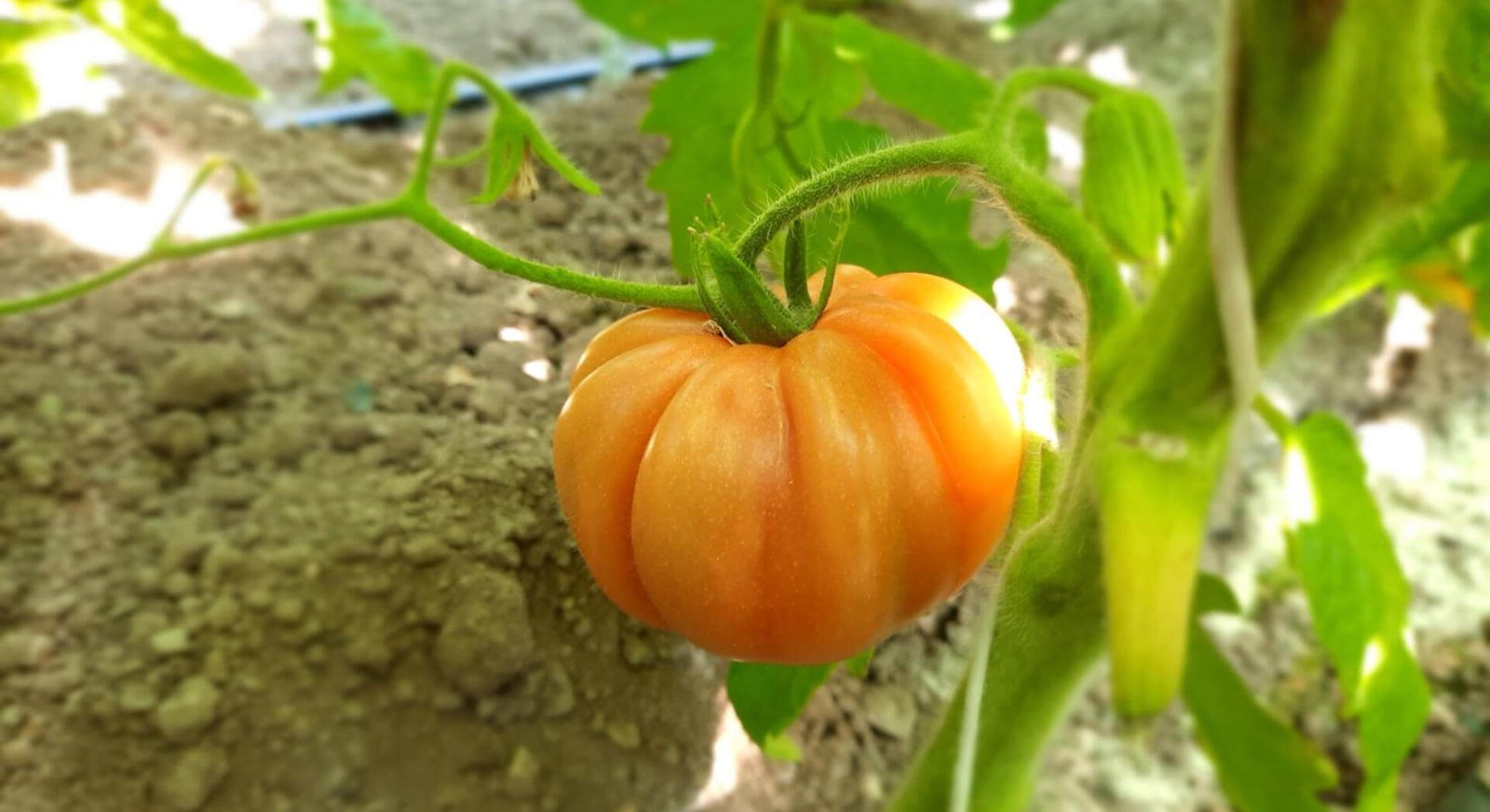
Oxheart tomatoes are one of the crops we care about most. We watch them grow day after day in our greenhouses, where the scent of the earth and the rhythm of the seasons still dictate the rules. Their intense red color, unmistakable shape, and full flavor tell the story of authentic Liguria, made up of hard work, patience, and farming passion.
In this generous land, between the sea and the hills, we grow our Oxheart tomatoes using methods that respect nature and its rhythms, without forcing anything. From sowing to harvesting, every stage is carefully tended to bring a genuine product to the table, one that encapsulates all the flavor of the sun and our land.
We invite you to visit our greenhouses to discover firsthand how one of the symbols of our agricultural production is created.

Preparing the greenhouses and sowing the oxheart tomatoes[ back to menu ]
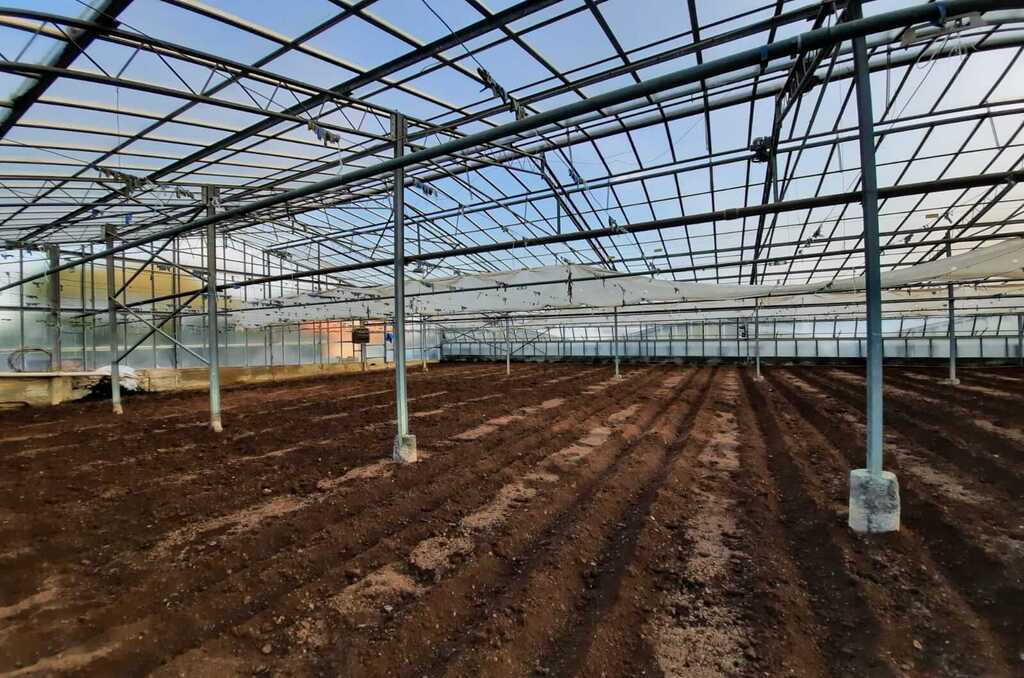
In December, we begin preparing three greenhouses. We create furrows in the ground where the seedlings will be placed, making sure they are about 50 centimeters apart.
For oxheart tomatoes, we do not rely on actual sowing, but rather place seedlings purchased from nurseries in the field.
Between the end of December and the beginning of January, the seedlings are planted in the soil. By spring, we have around 5,000 plants, and from April 20 onwards, we begin to harvest the first fruits. With the arrival of summer, we set up a fourth greenhouse, which will be productive from late July to mid-October.
Finally, in mid-July, we uproot the old plants and continue with the summer greenhouse, with around 2,000 plants.
In this video, we show how to prepare the soil in the greenhouse where we will plant oxheart tomatoes.
Preparing the greenhouse[ back to menu ]
As usual, ours is a team effort. The whole family is involved in the work, and everyone contributes as best they can.

Some prepare the furrows where the seedlings will be placed, while others set up the string to ensure that the furrow is straight: every detail is important, and collaboration is essential at this stage.

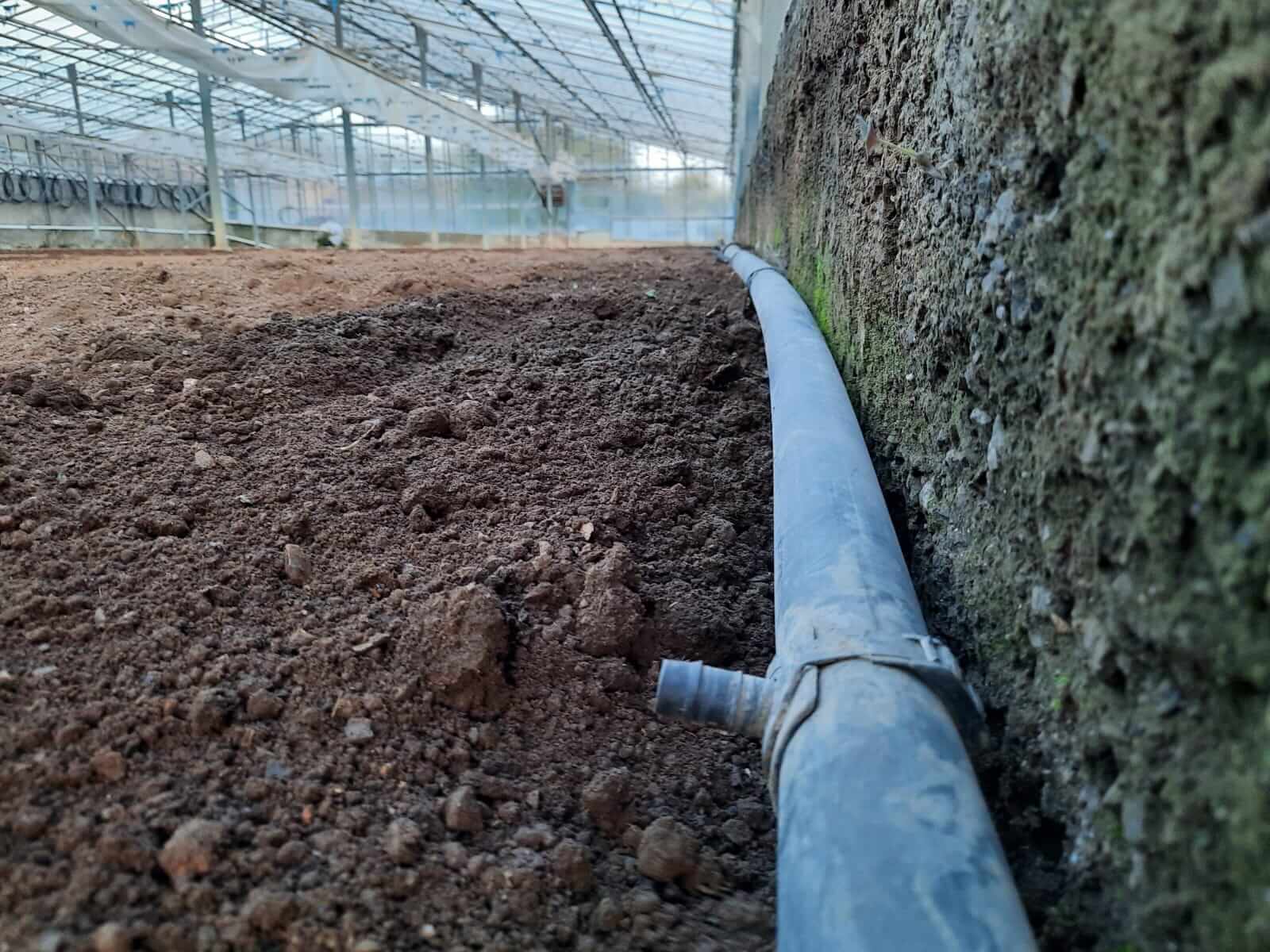
Along each pole supporting the greenhouse there are five furrows, inside which we will plant the tomatoes. The fishing line allows us to check the alignment of the holes, while for their correct spacing, we use the pipe at the bottom of the greenhouse as a reference point. This has holes approximately every 50 centimeters, into which we will insert smaller pipes that will be used to conduct water to water the plants via drip irrigation.
Our work is certainly not easy and requires many sacrifices. Yet we have been doing it willingly for years, respecting the seasonality of fruit and vegetables. This gives us the strength to move forward, discovering the renewal of the cycle of life and finding ourselves, each time, amazed by the beauty and goodness of our products.
Here's how we prepare the furrows in the greenhouse soil
For many, this may seem trivial; for us, it is the essence of our work.
Transplanting Oxheart tomatoes in three stages[ back to menu ]
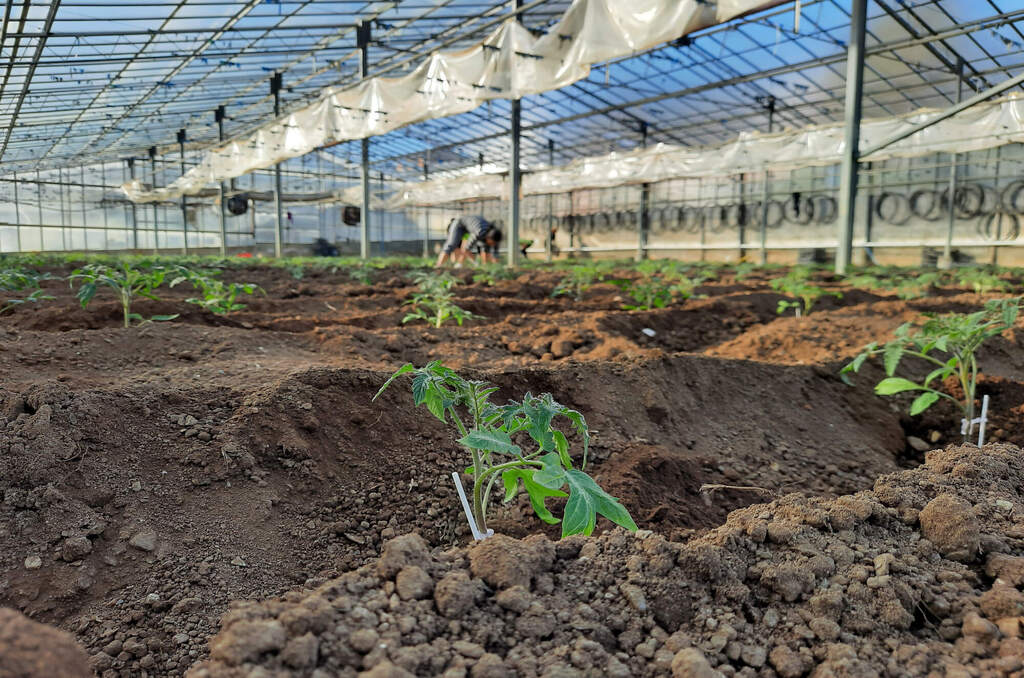
This year we prepared four greenhouses, so we had to transplant 5,500 tomato seedlings. As we already mentioned in the article dedicated to preparing the greenhouse for oxheart tomatoes, planting is divided into three phases.
In this video, we can see the moment when the seedlings were arranged along the rows, at a constant distance of 50 centimeters from each other. To facilitate the task of measuring the distance, we used pieces of cane of the required length.
Pruning during the summer[ back to menu ]
First, we laid the seedlings on the ground, making sure they were distributed in rows 50 cm apart, using a piece of cane of the right length to help us.
This is when we make a furrow in the rows, at the point where the plants will be placed, respecting the 50 cm distance already set in the previous step.
Then, using a small hoe, we made a small hole in the ground to insert the seedling with its soil. We then covered it without using too much soil, so as to leave the top of the soil visible.
We then moved on to the first watering, a crucial moment for quickly hydrating the seedlings while avoiding digging them up with the water jet.
Now let's focus on watering. This must be done quickly: firstly because the seedlings are small and do not need too much water, and secondly to avoid digging them up and undoing all the work done so far.
Initially, thetemperature in the greenhouses will be set at 7°C. This way, by enduring a little cold, the seedlings will be able to develop their first set of flowers. Once this goal has been achieved, we can increase the temperature in the greenhouse to 10°C.
From this point on, we expect steady growth until the first harvest around April, continuing throughout the summer and until October!
Pruning during the summer[ back to menu ]
When the plant begins to develop, we tie its upper part to a row about 2 meters high with string, so that it grows in height. Over the next three months, we observe its progress and, as the plant grows, we twist the tomato heads around the string. At the same time, we remove what are commonly referred to as ‘suckers’. In technical terminology, this phase is called ‘pruning the plant’. Its growths are removed because they would otherwise take away nutrients, limiting fruiting. We carry out this pruning activity every 2-3 days on all 5,000 plants in our greenhouses.

Pollination[ back to menu ]
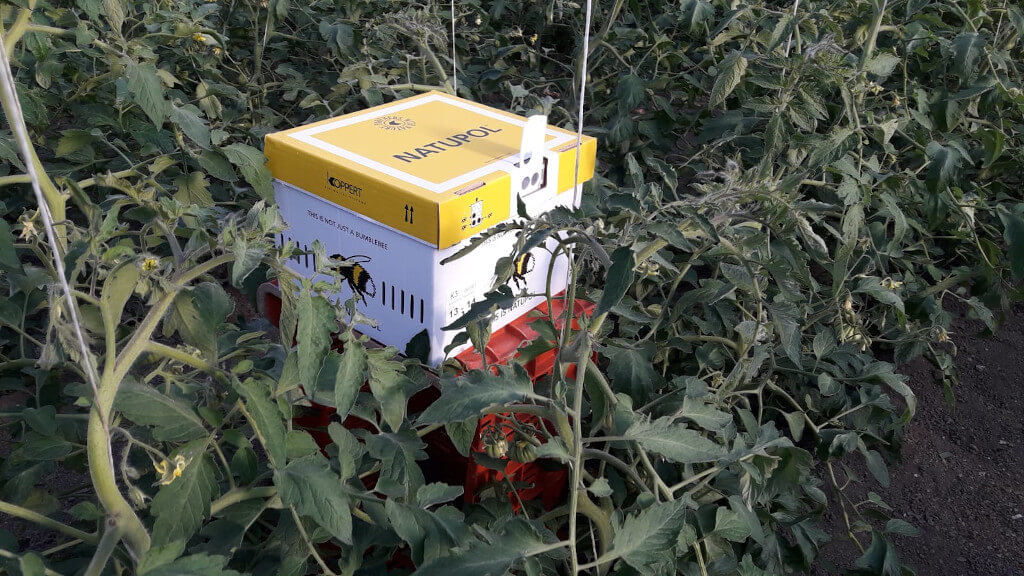
However, all this work would be wasted if we didn't have the help of our greatest allies: bumblebees. These cute, slightly stocky insects resemble bees, but are larger and have characteristic hair. This plays a fundamental role in their pollination activity, because it is capable of retaining pollen and carrying it to various flowers.
Bumblebees in the greenhouse: here's how natural pollination improves your tomato harvest.
Adopting bumblebees in greenhouses means respecting the natural processes that govern the earth's life cycle. In particular, the following advantages can be observed:
-
Uniform fruit development
-
Increased tomato weight
-
Less gray mold infestation
-
No need for hormone treatment or manual flower vibration, resulting in labor savings
For every thousand plants, we need one hive, which we place more or less in the center of the greenhouse. Each hive, contained within a cardboard box, includes a queen capable of producing new bumblebees. These are free to enter and leave their little house, which we protect from the sun with an umbrella during the hottest months. Within 45-60 days, after doing their valuable work,the bumblebees leave our greenhouses sated.
Distribution and sales[ back to menu ]
Once ripe, our oxheart tomatoes can weigh up to 300 grams. Their irregular shape—with deep ribs—makes them unmistakable, as does their red, firm flesh. Their balanced flavor, neither overly sweet nor sour, makes our tomatoes the perfect ingredient for summer salads.
After harvesting, we place the tomatoes in trays (plateau) labeled with the name of our farm and their origin. Each tray contains about 15 tomatoes, weighing 4.5 kilos per crate. During peak production periods - between May and June - we fill up to 120 trays per day.
Distribution is concentrated in the markets of Milan and local supermarkets, especially in the provinces of Imperia and Savona. During the summer, however, when demand is higher but the plants begin to decline, we serve hotels, pasta factories, and restaurants in the municipality of Diano Marina.
From the earth to the table: our harvest of Gigawock variety Oxheart tomatoes. Discover how we select the best fruits to guarantee you the true flavor of Liguria from farm to table.
Sustainable and Nature-Friendly Cultivation[ back to menu ]
As always, you can purchase oxheart tomatoes directly from us. For more information, please feel free to contact us at any time.

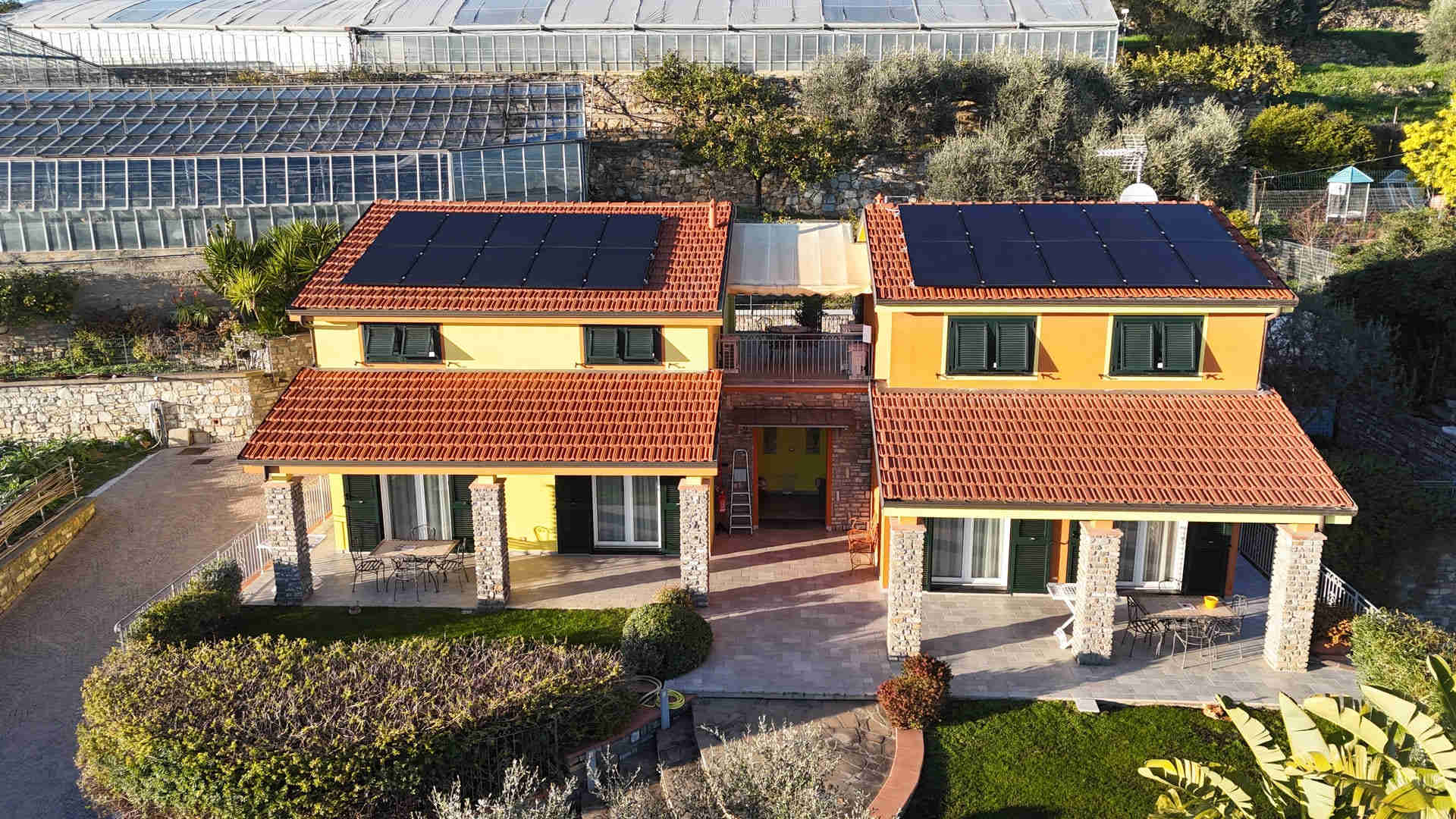
The cultivation of our oxheart tomatoes follows a simple principle: respect the land that grows them. In the greenhouses of Agriturismo Le Girandole, we adopt sustainable practices that minimize environmental impact, favoring natural fertilizers and low-consumption irrigation systems. Daily care of the plants replaces most chemical interventions, allowing the fruits to ripen in a healthy and natural way.
For us, sustainable farming also means preserving the soil and landscape of Liguria, because the quality of our products stems first and foremost from respect for our surroundings.
Listen to all podcasts published on our official channels: